
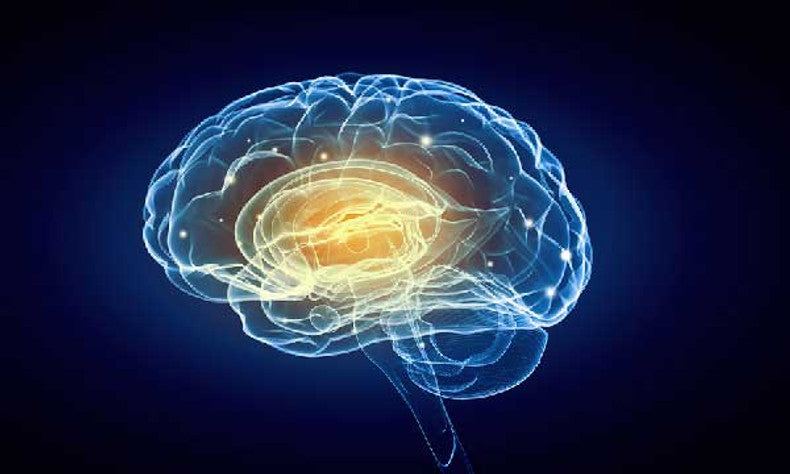
Dr Joe Dispenzas book "Becoming Supernatural" was a game changer for many people. The compounding effects of meditating continuously over time begin to change the brain and body. Dispenza says meditation over time can not only help regrow neurons, but also make your brain feel younger.
Taking a few quiet minutes for yourself is one of the simplest ways to reset.
Dispenza has taken a deep dive into this, lets take look at what he found
Our flight or fight system is activated when we are under stress. In mankind's hunter-gatherer prehistory, stress played an important role when there was a higher risk of infection from wounds. In modern society, however, a continued heightened level of stress has increasingly become psychological and long-term, persistent pro-inflammatory gene expression is more likely to cause psychiatric and medical problems, known more commonly as the "silent killer."
Our sympathetic nervous system (SNS) is responsible for the 'fight-or-flight' response, and when a person experiences a stressful event, the SNS is triggered. The result is that the body begins to increase production of a molecule called nuclear factor kappa B (NF-kB). NF-kB is responsible for regulating how our genes are expressed.
It translates stress by activating genes, which in turn produce proteins called cytokines. The reduction of stress not only has a benefit of mental health but a long term effect on our physical health as well.
What researchers in this study have found and suggest, is that people who practice mind-body activities such as mediation and yoga, produce the opposite effect—that is, their bodies experience a decrease in the production of NF-kB and cytokines. So simple meditation has more benefits than we thought!
Further, neuroscientist Sara Lazar's first study, looked at people who had been meditating for seven to nine years and compared them to a control group.She found those who had been practicing meditation for a long time had increased gray matter in their auditory and sensory cortex, in the insula and sensory regions of the brain, and several other areas.
Increases in gray matter were also found in a region of the brain linked to the frontal cortex, which is associated with decision-making and memory. Maybe the most striking aspect of the study was that while most people’s cortexes shrink as they age, 50-year-old meditators in the study were shown to have the same amount of gray matter as those half their age. Imagine that—meditation could make you seem to have a younger brain. Some studies are saying It can also cause your brain to grow new neurons, contrary to the antiquated theory that was once said this was impossible.
One of the core benefits of mindful meditation is that it forces a person to slow down and engage with the present moment. It does this by challenging them to pay more attention to the physical sensations of meditation, such as breathing, the feelings of energy within the body, and the sounds around them.
To double check her results, Lazar conducted a second study. In it she enrolled participants who had never meditated and put them in an eight-week mindfulness program. Her question was: could it be that people who were long-term meditators had more gray matter to begin with?
What she found was that in just eight weeks of meditation, participants experienced a thickening in several regions of the brain, including the left hippocampus (involved in learning, memory, and emotional regulation); the TPJ (involved in empathy and the ability to take multiple perspectives); and a part of the brainstem called the pons (where regulatory neurotransmitters are generated).
The amygdala of the new meditators also shrank, which is the brain’s survival center and the area that is correlated to a reduction of stress.
WOW! So turning off and tuning in not only has an immediate impact on your mood and feel, it really does have a scientific / medical impact long term.
We know just like exercising that meditation is a practice, and you get better with it over time. These are the scientific reasons why, and how it improves your body and brain over time.
Below is a quick 5-minute guided meditation. Find a comfortable seat, press play, and breathe.
These statements have not been evaluated by the Food and Drug Administration. This product is not intended to diagnose, treat, cure, or prevent any disease.